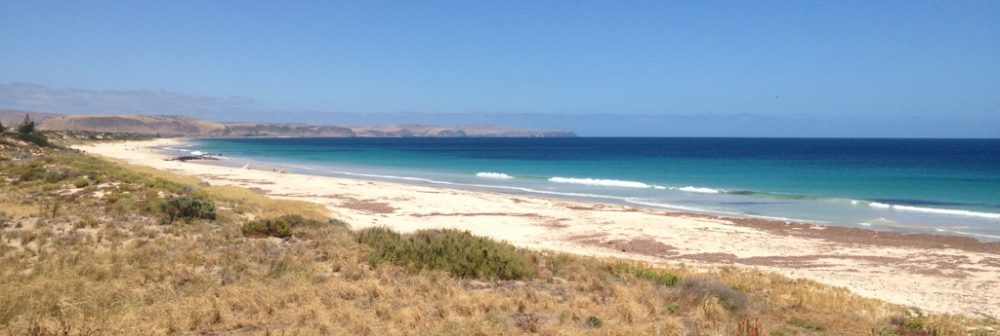
Here we are, almost officially into summer, and yet we have seen little of the typical spring weather we in Adelaide so look forward to – days of blue skies with light clouds nudged across the sky from time to time by the light breezes from somewhere southerly, a gentle warmth, the odd shower to keep the burgeoning spring growth flourishing. This is when some of us begin to think about having our first swim in the gulf waters, those of us who are not ‘icebreakers’ who swim throughout the winter that is. This year the relentless storm fronts from the west continue to wreak havoc, bringing down trees and power lines, the soil is drenched with rain, leaving water to sit on top of the sodden ground, the sea is muddy with the detritus of urban existence gushing through the storm drains of the suburbs, and the Riverland towns are bracing for the flood waters that are getting nearer every day as the northern torrential rains make their slow way through the Darling and its tributaries to the Murray river. In the eastern states, entire towns have been inundated, leaving behind devastation, confusion and despair, and populations questioning how to cope with these life changing weather patterns we have never seen in our lifetimes.
Cliimate scientists and meteorologists tell us (based on evidence they have carefully collected) that the erratic weather patterns are occurring as a result of the warming of the planet. Their colleagues around the world are monitoring this warming , and warning us that we are almost (if not already) reaching the tipping point from which it will be impossible to keep this trajectory below safe levels for human habitation. Others are highlighting what it is about human habitation that is adding to this climate catastrophe, pointing to carbon and methane emissions, among other things, which we can trace back to the extremely comfortable lives we in the developed world enjoy, with our access to cars and airplanes, and ocean cruises, and access to food out of season from anywhere in the world due to mass agricultural production and international transport services. All this whilst we point our fingers at the less developed countries for not doing enough, largely because they want to have good lives like we do, as millions of their people struggle just to find enough food to stay alive.
Meanwhile smart capitalists have seen the writing on the wall and are divesting themselves of investments in fossil fuels, for example, moving their billions into renewable energy projects in search of new profits. Lagging a fair way behind, but now beginning to get their acts in gear, governments from around the world are meeting regularly to try and work out (of course always keeping their national interest at the forefront of their minds) what we need to do if we are to have any chance of combatting this catastrophe which is and will have increasingly devastating effects on human habitation on Earth.
What I find astounding about this situation is that I still come across climate change denialists, vehemently arguing that none of this, as described above, is really happening. Throughout time, they say, there have always been these up and downs in climate patterns. It is natural occurrence and has nothing to do with us human beings. You can’t trust today’s scientists, or modern science , they say. It is all a conspiracy. So there are some animal extinctions occurring now, they say. There have always been animal extinctions – look at the dinosaurs. It is just a natural progression of things; nothing to do with our human interactions on the earth we live in. They pop up everywhere in unexpected places, in governments, in schools and universities, in religious communities, in our local neighbourhoods. And no arguments, backed by evidence to the contrary, seem to change their minds. Reasoning, based on evidence, no longer seems to count. The Bureau of Meteorology is forecasting a beautiful spring day in a couple of days’ time (if a little warmer than usual). No more horizontal rain ripping through our suburban gardens, with gale force winds bringing down huge eucalypts (until the next time). We will put all of that out of our minds and take to our beach walks again with our friends and our dogs. All will seem well with the world – for the time being that is – and the climate catastrophe will sink into temporary oblivion, because at an everyday level it is just too big to contemplate, too big to handle. And so life continues.
 This Business of Living
Great to hear from you Yvonne. The weather has been so full on hasn’t it? The challenge of facing up to the real implications of climate change is overwhelming too – but really there’s no other choice. Finding ways to do this without drowning in despair or just closing our eyes and pretending is so important. For me connecting with others and taking action together and at all levels are key to this.
LikeLike